
Call us: +(234) 7065247246
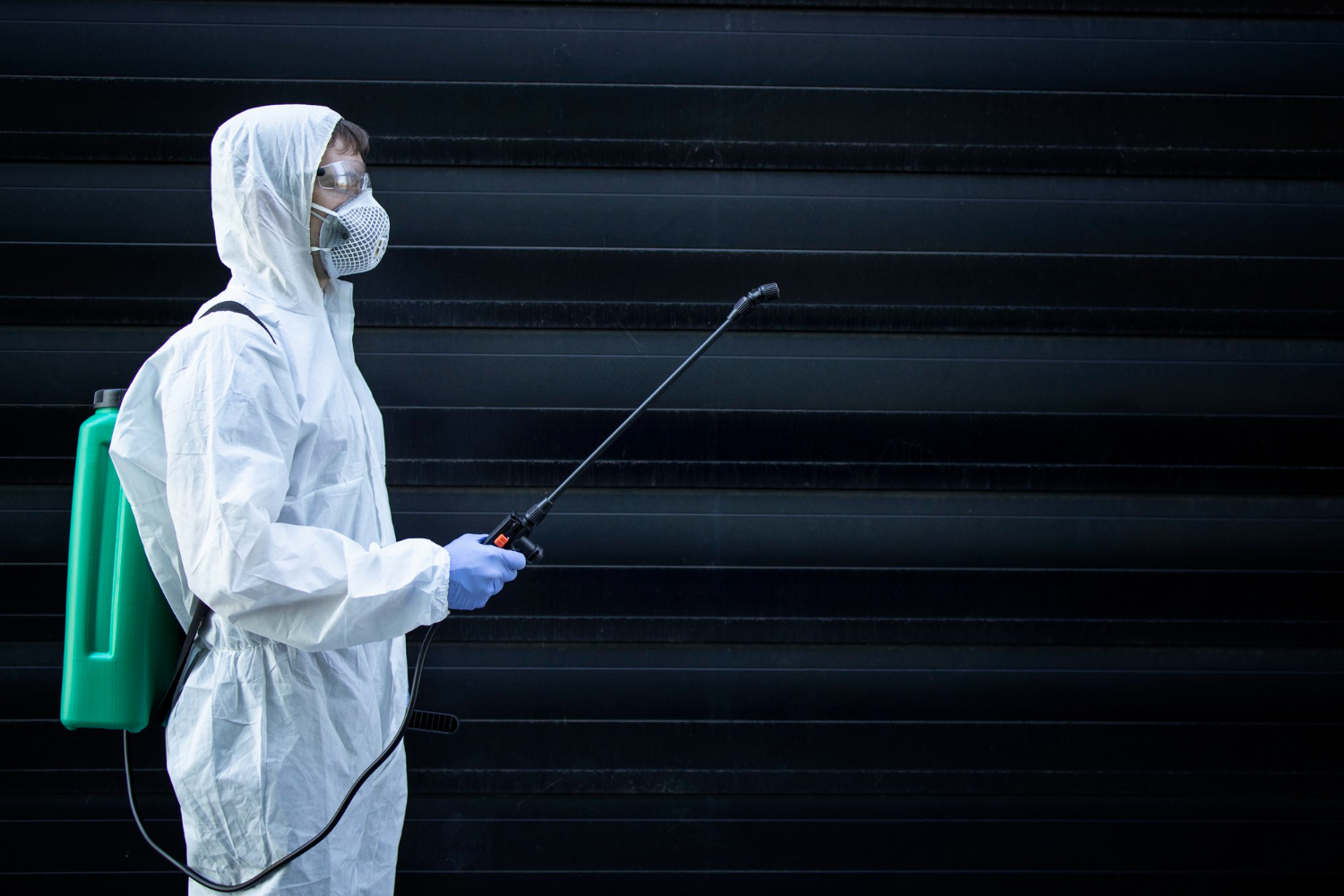

A few years ago, I faced a homeowner’s worst nightmare: a burgeoning colony of carpenter ants making themselves far too comfortable in the rafters of my garage. Traditional spray methods barely slowed them down. It felt like I was playing a frustrating game of whack-a-mole with an army that never tired. That’s when I realized I needed a solution that went beyond surface-level treatment—I needed to understand and potentially implement fumigation.
This experience forced me to delve deep into the science and regulations surrounding this intense form of pest control. It’s a word often associated with extreme infestation or major structural pest issues, but what exactly is it?
Fumigation is a highly specialized method of pest control that involves sealing an area and introducing a gaseous chemical—a fumigant—to eradicate pests inside that structure. Unlike conventional spraying, the gas penetrates every crack, crevice, and void, reaching pests that are otherwise inaccessible, such as those deep within wood, walls, or soil. It’s a serious treatment that requires serious knowledge.
In this guide, we’ll demystify fumigation, exploring what it is, how it works, when it’s necessary, and the critical safety steps involved. As an experienced property maintenance consultant , my goal is to provide you with the expert, authoritative information you need to make a safe and informed decision about protecting your property.
What is Fumigation? A Deep Dive into the Science of Pest Eradication
At its core, fumigation is a process that uses lethal gas to eliminate pests. It is not the same as fogging or standard surface spraying, though the terms are often confused.
The Fundamental Difference: Gas vs. Liquid
- Fumigation: Uses a fumigant, which is a pesticide in a gaseous state at a required temperature and pressure. The gas is designed to disperse uniformly and penetrate solid materials (like wood, concrete, or commodities like grain) to reach hidden pests. It works by interfering with the pests’ respiratory and metabolic systems.
- Fogging/Misting: Uses liquid pesticides applied as a fine mist or aerosol. This method primarily targets flying insects and pests on exposed surfaces, but the particles are generally too large to penetrate materials effectively.
The Standard Procedure: How Fumigation Works
A successful fumigation process, particularly for an entire structure, follows several critical, non-negotiable steps:
- Preparation and Sealing (Tenting): For whole-structure fumigation (common for termites), the building is sealed, usually by covering it entirely with giant, gas-tight tarps (tarping or “tenting”). For smaller applications (e.g., shipping containers or silos), the vessel itself provides the seal. All people, pets, plants, and unsealed food must be removed.
- Introduction of the Fumigant: The licensed applicator introduces the predetermined dose of the gaseous fumigant into the sealed structure. Commonly used fumigants include Sulfuryl Fluoride (often for drywood termites) or Methyl Bromide (less common now due to environmental concerns, but still used for some commodities).
- Exposure Period: The gas is left to circulate for a specific duration (the “exposure period”), which can range from several hours to a few days, depending on the pest, the fumigant, and the temperature. This ensures the gas reaches lethal concentrations everywhere and kills all target organisms.
- Aeration (Ventilation): This is the most critical safety phase. After the exposure period, the tarps are removed, and the structure is aired out. Fans and ventilation systems are often used to expel the fumigant.
- Clearance Testing: The licensed professional uses specialized monitoring equipment (like gas detectors) to measure the concentration of the fumigant inside the structure. Re-entry is strictly prohibited until these concentrations fall below the safe, mandated levels set by regulatory bodies (e.g., the Environmental Protection Agency – EPA in Nigeria, which is known as NESREA).
When Is Fumigation the Only Option?
While effective, fumigation is an intense and costly procedure. A responsible pest management professional (PMP) will always exhaust less invasive methods first. Fumigation is typically reserved for severe infestations or specific scenarios where pests are inaccessible.
Cases for Whole-Structure Fumigation
| Pest Type | Why Fumigation is Used | My Expertise/Example |
| Drywood Termites | These termites live entirely within the wood they infest and don’t need ground contact. Spot treatments are ineffective because the colonies are scattered and hidden deep inside the wooden frame of a building. Gas is the only way to reach 100% of the hidden colony. | I’ve seen buildings riddled with ‘kick-out holes’ (small holes where termites push out pellets). If the infestation is widespread across multiple floors or structural members, tenting is mandatory for a credible warranty. |
| Wood-Boring Beetles | Includes powderpost beetles and deathwatch beetles. Their larvae do the most damage, boring deep tunnels inside the wood. Liquid insecticides cannot penetrate this deep. | Once, I consulted on a historic property where powderpost beetle damage was so extensive that the wood flooring turned to dust when stepped on. Fumigation was the only solution to save the remaining structure. |
| Bed Bugs (Severe Infestation) | In rare, extreme cases, especially in multi-unit dwellings where the pests have spread into walls, furniture, and electrical outlets, whole-unit or whole-building fumigation can be used as a last resort. | While heat treatment is now a preferred alternative, some PMPs will opt for fumigation in cases of treatment-resistant bed bugs that have permeated deeply into the structure. |
Regulations and Safe Practice
A key indicator of expertise and trustworthiness in this field is adherence to strict regulations and safety protocols. Fumigation is not a DIY task; it is governed by environmental and health laws globally.
Sourcing Credible Information
Always verify information about pesticides and fumigants through official regulatory bodies. For example, in Nigeria, the Environmental Protection Agency (EPA) also known as NESREA registers all fumigants and sets strict guidelines for their use. Similar bodies exist internationally (e.g., the European Chemicals Agency – ECHA, or local environmental ministries).
Any reputable PMP or blog post should emphasize the following non-negotiable safety rules:
- Licensing is Mandatory: Only a highly trained, licensed, and certified fumigator can purchase, apply, and monitor fumigants. This is not optional.
- Signage and Security: During fumigation, the sealed structure must be secured, typically with multiple locks, and conspicuously posted with warning signs, often containing skull-and-crossbones icons, to prevent accidental entry.
- Professional Clearance: Re-entry is only permissible after the fumigator has conducted clearance tests and provided a Re-Entry Notice or official certification that the property is safe for habitation.
Note: Never hire a fumigator who does not explicitly follow these three steps. Ask to see their license and confirmation of their clearance monitoring equipment. If they offer to fumigate without tenting for drywood termites, walk away—the efficacy will be drastically compromised.
The Role of Temperature in Efficacy
One crucial factor often overlooked by laypersons is temperature. Fumigants are less effective at lower temperatures.
- The chemical reaction that makes the gas lethal slows down when it’s cold.
- Pests become less active and breathe slower in colder conditions, meaning they absorb less of the gas.
Therefore, professional fumigators must adjust the gas dosage and the exposure time based on the ambient and internal temperatures to ensure a lethal kill rate. This level of detail separates true expertise from guesswork.
Practical Steps to Prepare for Fumigation
If you have confirmed that fumigation is necessary, preparation is key to protecting your belongings and ensuring the treatment is successful.
Pre-Fumigation Checklist
- Remove ALL Food and Medications: This is the highest priority. All opened and unopened food, feed, drugs, and medicinals must be removed from the structure or sealed in special, non-permeable bags provided by the fumigator. This includes spices, sugar, and even mints in a desk drawer.
- Remove All Living Things: People, pets (including fish in aquariums—fish tanks must be removed or properly aerated with external equipment), and all house plants must be evacuated.
- Open and Unseal: Open all internal doors, cabinets, drawers, storage trunks, and attic/crawlspace entries to allow the gas to penetrate. Failure to do this compromises the treatment.
- Special Considerations:
- Mattresses and Pillows: The gases used today (like Sulfuryl Fluoride) generally do not leave residual residue, and mattresses are typically safe. However, check your PMP’s specific instructions.
- Security: Remove all valuables. Although the PMP should secure the premises, this is a sensible precaution.
- Utility Shut-Off: Gas service is usually required to be shut off at the meter. Electric power is often left on for fans and monitoring equipment.
Post-Fumigation: The Return
Once the clearance tests confirm safety, you can re-enter. Here are the necessary steps:
- Airing Out: Open all doors and windows for at least several hours upon return to complete the ventilation process.
- Cleaning: No extensive surface cleaning is usually required because the gas dissipates without residue. However, washing dishes, bedding, and clothes is a common practice for peace of mind.
- Appliance Check: Have the gas company or a licensed technician restore and check the gas line and pilot lights before operating any gas appliances.
Conclusion: Expertise You Can Trust
Fumigation is a highly effective, powerful, and necessary tool in the arsenal of professional pest management. It is not a casual choice but a strategic intervention reserved for severe, structural, or hard-to-reach infestations like drywood termites.
By understanding the science, respecting the strict safety protocols, and ensuring you hire a highly licensed and experienced professional, you can confidently protect your property from devastating pests. Remember, your home is your largest investment, and when it comes to intense treatments like this, you shouldn’t settle for anything less than verifiable expertise and full compliance with regulatory standards. Don’t let the “fog of war” confuse you—get the clarity you need to make the right choice.
Need to discuss a severe infestation or get a quote for professional structural inspection and potential treatment?
Contact us today for an expert consultation.
Click here to contact us today.