
Call us: +(234) 7065247246
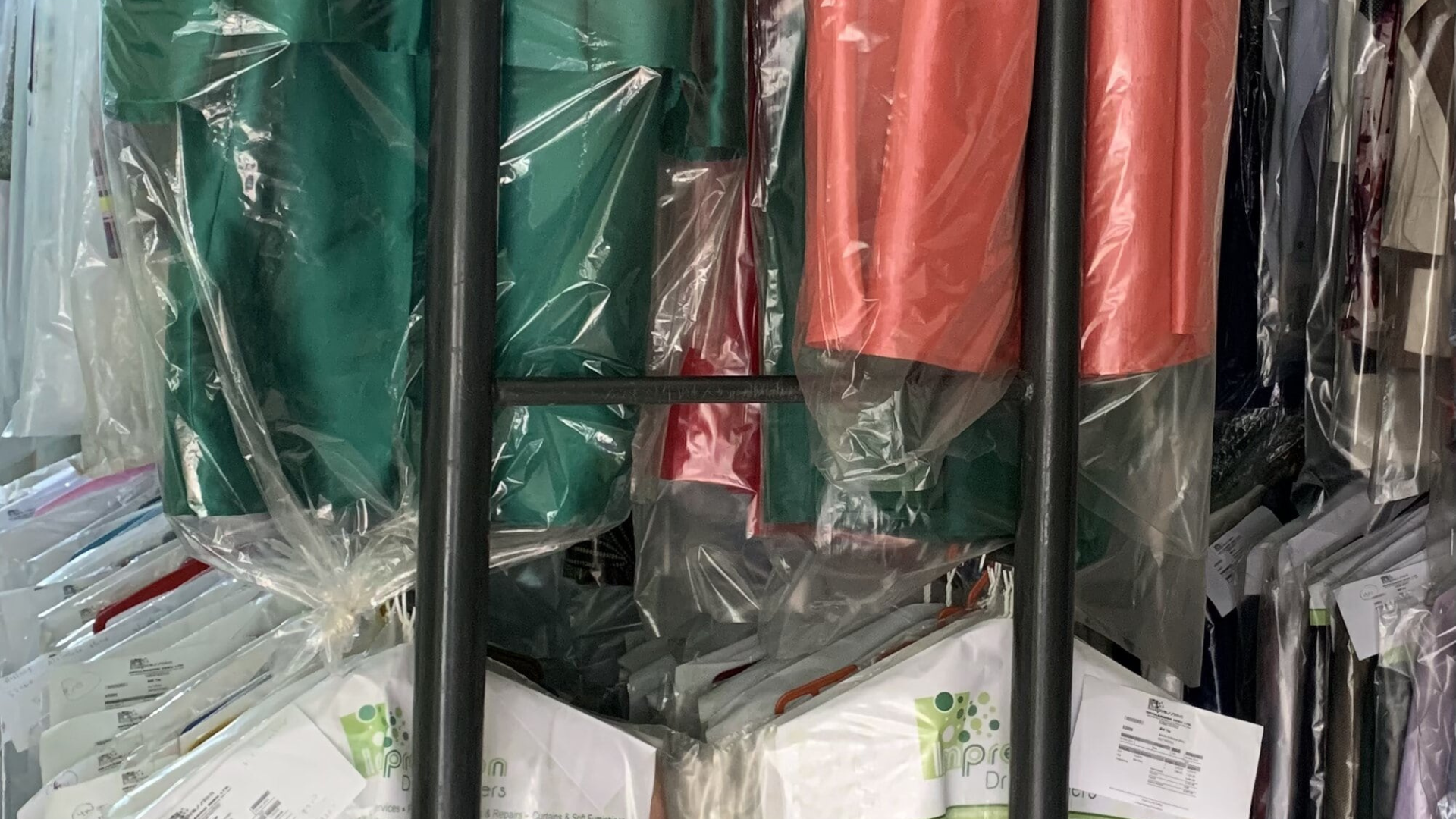

Laundry, the seemingly mundane chore of washing clothes, has a fascinating history and has evolved into a diverse array of services catering to various needs and preferences. From the ancient practice of beating clothes against rocks in rivers to the modern convenience of self-service laundromats, full-service laundry, and dry cleaning, the world of laundry has come a long way.
Introduction to Laundry Services
Laundry, a fundamental aspect of personal hygiene and clothing maintenance, has existed for centuries. In the past, laundry was a labour-intensive task, often involving hauling water from wells or rivers, scrubbing clothes by hand, and hanging them out to dry. As societies progressed, so did the methods of laundering clothes.
The Evolution of Laundry
The Industrial Revolution brought about significant changes in laundry practices. The invention of the washing machine in the 19th century revolutionised how people cleaned their clothes. Electric washing machines and dryers further streamlined the process, making laundry more convenient and less time-consuming.
Today, laundry services have become a thriving industry, offering a range of options to suit different lifestyles and budgets. Let’s delve into the three main types of laundry services available:
Self-Service Laundromats
Self-service laundromats are the most familiar type of laundry service. These establishments provide customers with rows of coin-operated or card-operated washing machines and dryers. Laundromats are a popular choice for individuals who don’t have laundry facilities at home, such as apartment dwellers or those living in shared accommodations.
Pros of Self-Service Laundromats
- Convenience: Laundromats are often located in convenient areas, making them easily accessible for many people.
- Affordability: Self-service laundry is generally more affordable than full or dry cleaning.
- Control: You have complete control over the washing and drying, including detergent selection and cycle settings.
Cons of Self-Service Laundromats
- Time-consuming: Doing laundry at a laundromat can be time-consuming, especially if you have a large load of laundry.
- Potential for Machine Issues: Machines may occasionally malfunction, leading to frustration and delays.
- Crowded During Peak Hours: Laundromats can get crowded during peak hours, making it difficult to find available machines.
Tips for Using Self-Service Laundromats
- Go During Off-Peak Hours: To avoid crowds, try to do your laundry during off-peak hours, such as early mornings or weekdays.
- Bring Your Own Detergent and Fabric Softener: This can save you money compared to purchasing them at the laundromat.
- Sort Your Laundry Beforehand: Sorting your laundry by color and fabric type before you arrive will save you time at the laundromat.
Full-Service Laundry (Wash and Fold)
Full-service laundry, also known as wash and fold, takes the convenience of laundry to the next level. With this service, you simply drop off your dirty laundry, and the professionals handle the washing, drying, and folding. Your clothes are returned clean, fresh, and neatly folded, ready to be put away.
Pros of Full-Service Laundry
- Time-Saving: Full-service laundry is a huge time-saver, especially for busy individuals and families.
- Professional Care: Your clothes are handled by professionals who care for different fabrics and garments properly.
- Convenience: You don’t have to worry about sorting, washing, drying, or folding your laundry.
Cons of Full-Service Laundry
- Cost: Full-service laundry is generally more expensive than self-service laundry.
- Less Control: You have less control over the washing and drying process than self-service laundry.
- Potential for Lost or Damaged Items: Although rare, there’s always a slight risk of items getting lost or damaged during the process.
Choosing a Wash and Fold Service
When selecting a wash and fold service, consider the following factors:
- Reputation: Look for a service with a good reputation and positive reviews.
- Pricing: Compare prices from different providers to find one that fits your budget.
- Turnaround Time: Inquire about the turnaround time to ensure it meets your needs.
- Additional Services: Some services offer additional options like pickup and delivery, stain removal, or ironing.
Dry Cleaning
Dry cleaning is a specialised laundry service that uses chemical solvents instead of water to clean clothes. It’s particularly well-suited for delicate fabrics that can’t withstand the rigours of regular washing, such as silk, wool, and certain synthetics.
The Dry Cleaning Process
The dry cleaning process involves several steps:
- Tagging and Inspection: Garments are tagged for identification and inspected for stains or damage.
- Pre-Treatment: Stains are pre-treated with specialised solutions to ensure their removal.
- Cleaning: Clothes are loaded into a dry cleaning machine, where they are agitated in a solvent bath.
- Drying: The solvent is extracted, and the clothes are dried in a controlled environment.
- Post-Spotting: Any remaining stains are treated, and the garments are pressed or steamed.
When to Choose Dry Cleaning
Consider dry cleaning for:
- Delicate Fabrics: Silk, wool, cashmere, and other delicate fabrics should always be dry cleaned to prevent damage.
- Stains That Won’t Come Out with Regular Washing: Dry cleaning solvents are often more effective at removing stubborn stains.
- Professional Attire: Suits, dresses, and other professional attire often require dry cleaning to maintain their appearance and longevity.
Finding a Reputable Dry Cleaner
Look for a dry cleaner that:
- Is Certified: Check for certifications from organisations like the Drycleaning & Laundry Institute (DLI).
- Has Positive Reviews: Read online reviews to gauge other customers’ experiences.
Offers a Satisfaction Guarantee: A reputable dry cleaner will stand behind their work and offer a satisfaction guarantee.